July 25, 2026
Hardwood floors have long been revered for their classic appeal and durability. Over the years, however, they can suffer from wear and tear that diminishes their beauty and market value. Professional hardwood floor sanding services offer a solution, rejuvenating floors to their original splendor. This process not only enhances the floor's appearance but also improves the overall aesthetic of a home, contributing to a higher property value. In this article, we'll delve into the science and benefits of professional sanding, explore the detailed process involved, and discuss how to choose the best service provider for your needs.
The Science Behind Hardwood Floor Sanding
Understanding Wood Grain and Texture
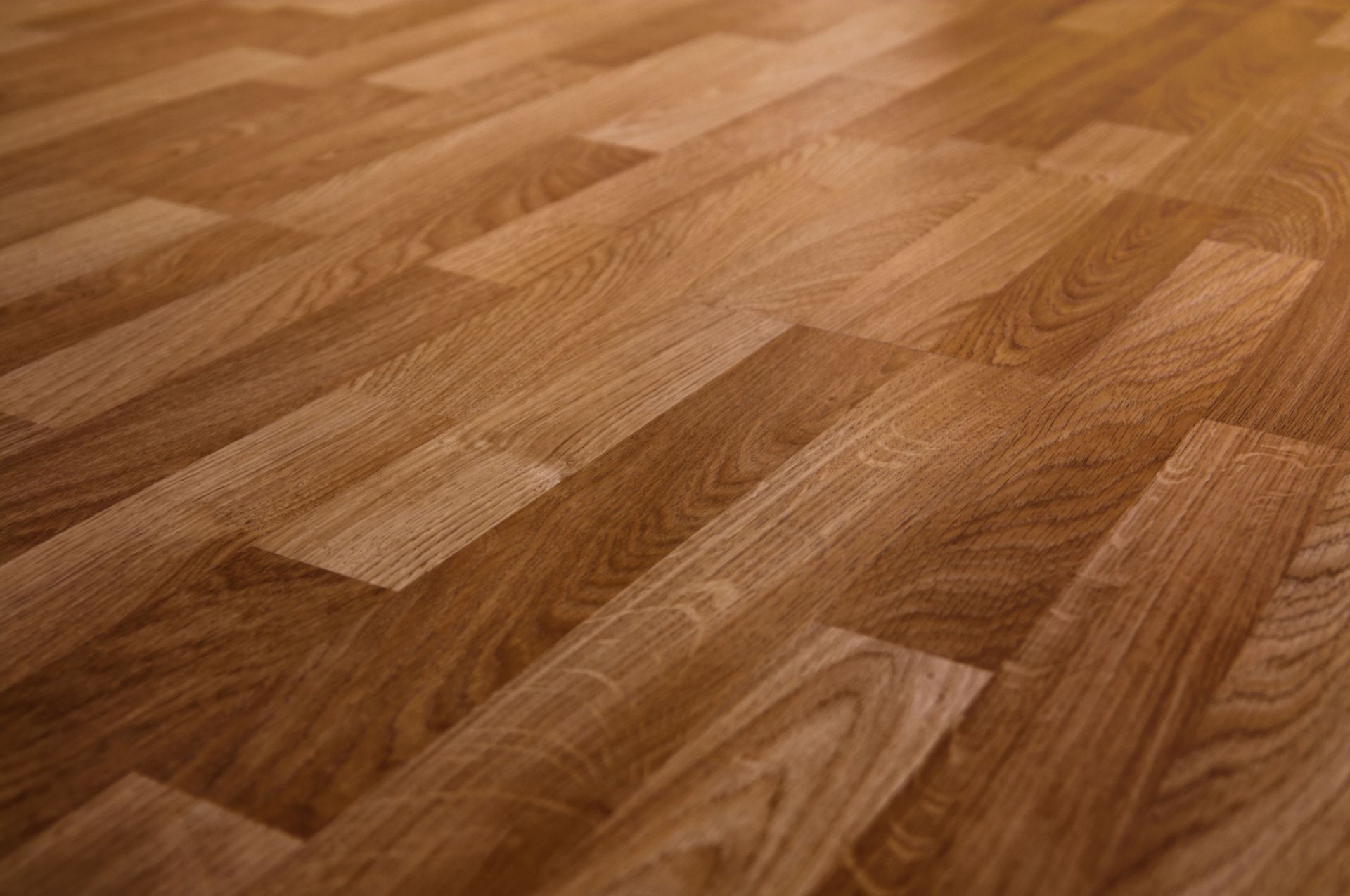
Wood grain refers to the alignment, texture, and appearance of fibers in wood, and is a crucial factor in sanding. Different wood species display varied grain patterns, and hardwood floor sanding must account for these variations to reveal the material’s inherent beauty. Professional sanding works by removing the top, worn layer to expose a fresh, untouched surface below. This careful process highlights the natural grain, offering a renewed look that can dramatically enhance aesthetic appeal. With the right techniques, sanding can accentuate the wood's natural charm, bringing out the best in each species.
The Impact of Wear and Tear
Everyday activities, from foot traffic to furniture movement, contribute to the gradual degradation of hardwood floors. Scratches, dents, and faded finishes are common issues that can make floors look old and neglected. Professional hardwood floor sanding is effective in combating this wear and tear, breathing new life into dull, worn-out floors. By sanding away surface imperfections, the floors regain their smoothness and shine, showcasing their original elegance. Thus, sanding forms a critical part of floor maintenance, preserving both the functional and visual longevity of hardwood surfaces.
The Role of Sanding in Floor Maintenance
Maintaining hardwood floors extends beyond occasional cleaning and requires strategic interventions like sanding. Sanding, as an integral aspect of such maintenance, helps in maintaining the floor's structural and aesthetic integrity over its lifetime. Regular hardwood floor sanding prevents deeper damage from developing, which can ultimately lead to costly replacements. This proactive approach not only maintains but increases the lifespan of a wooden floor. For those uncertain, it's important to note that professional sanding should ideally occur every seven to 10 years, depending on the degree of foot traffic and overall wear.
Benefits of Professional Sanding Services
Restoration of Original Beauty
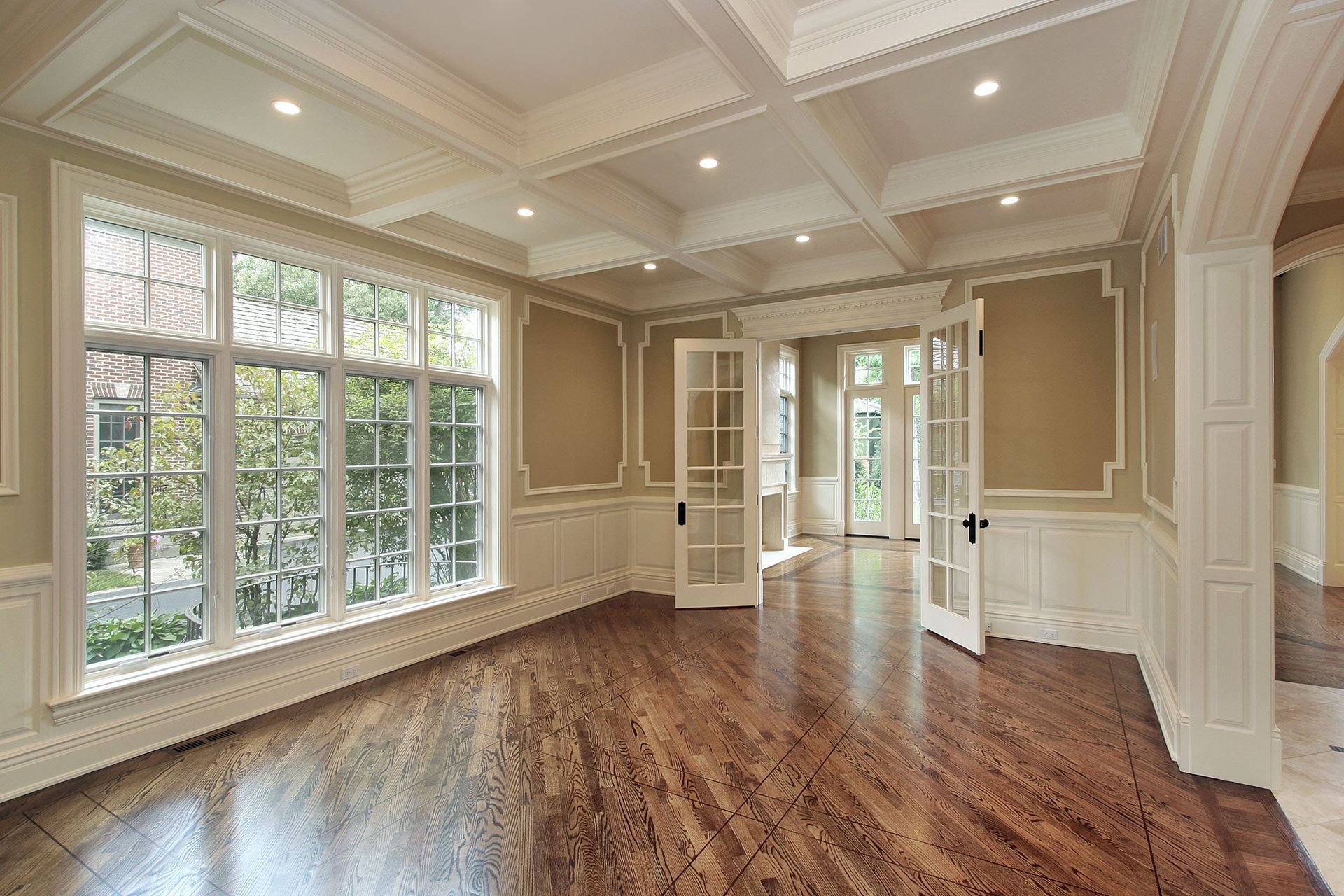
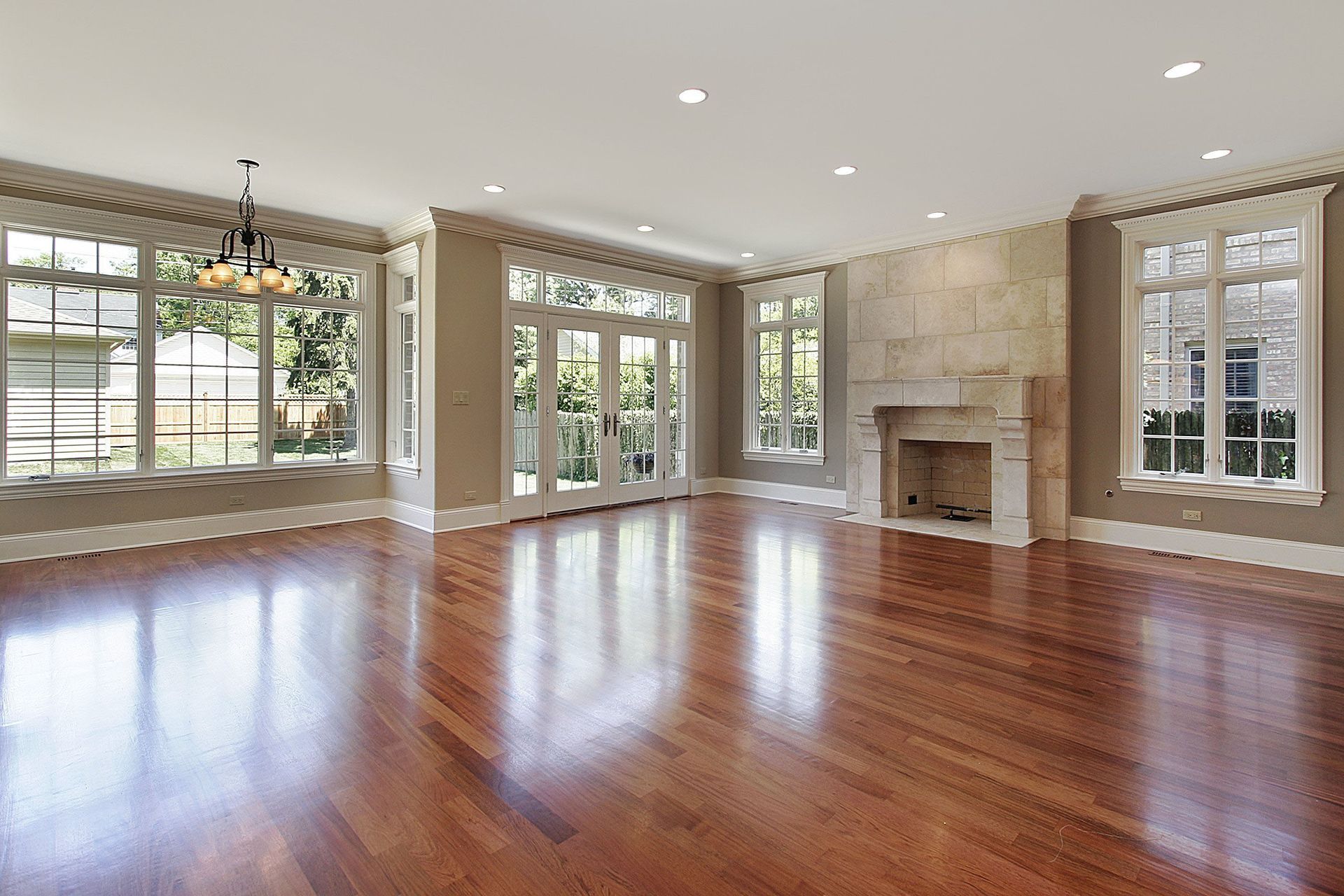
Professional hardwood floor sanding unveils the hidden beauty of flooring, showing its pristine surface free from years of wear. This restoration process meticulously removes deep stains, scratches, and dullness, bringing out the vibrant hues and character of the wood. The expertise of professionals ensures an even sanding, which is crucial to avoid damaging high and low spots of the floor. Post-sanding, the application of a finish further enhances the wood grain, adding a rich, appealing luster. Consequently, the floor becomes a stunning focal point in any room, reflecting the grandeur of properly maintained hardwood.
Increase in Property Value
Well-maintained hardwood floors are a significant selling point in the real estate market. Potential buyers often perceive polished floors as an indicator of a property well taken care of, thus ready to command a premium price. The process of professional hardwood floor sanding significantly increases a home’s appeal, often recuperating the investment through a higher sale price. Moreover, according to Dumpsters.com, wood comprises 51% of floor replacements, showcasing the high demand and intrinsic value of hardwood. Prospective homeowners appreciate the assurance of longevity and beauty that newly sanded floors provide.
Improvement in Indoor Air Quality
While often overlooked, indoor air quality is a critical aspect of a healthy living environment. Professional sanding services include the removal of microscopic dust particles and allergens that accumulate over time in worn floor surfaces. Modern sanding equipment is designed to minimize dust emissions, significantly improving air quality during and after the sanding process. By eliminating dust trapped in surface imperfections, the overall comfort and healthiness of the home environment are enhanced. Cleaner floors mean fewer allergens and healthier household air, an essential benefit especially for families with allergies or respiratory issues.
The Process of Professional Hardwood Floor Sanding
Initial Assessment and Planning
Before the sanding process begins, professionals perform a thorough inspection and assessment. This step involves evaluating the floor's condition, identifying any areas needing special attention, and agreeing on the desired finish. Planning is crucial, as incorrect assessment can lead to uneven sanding or damage. Experts carefully consider the floor's age, previous treatments, and type of wood to formulate a customized sanding approach. Such detailed planning ensures that the final result not only meets but exceeds client expectations, revealing the floor's inherent beauty while preserving its structural integrity.
Sanding Methods and Equipment
Professional sanding involves a series of systematic steps starting with rough sanding using coarse-grit sandpapers. Such an approach efficiently removes surface layers, setting the stage for subsequent, finer sanding. Experts utilize advanced equipment like drum sanders, edgers, and buffer machines to achieve precise results. Each tool plays a specific role, ensuring thorough coverage and an even surface. Investing in professional services means access to this level of sophisticated equipment, which is not typically available to the casual DIY enthusiast, ensuring the highest quality outcome.
Smoothing and Finishing Techniques
Following initial sanding, the smoothing stage employs progressively finer grits to eliminate scratches and prepare the floor for finishing. This meticulous smoothing is critical, as it ensures uniformity and enhances the final floor appearance once the finish is applied. Professionals then select and apply the appropriate finish, such as oil-based polyurethane, water-based finishes, or wax, to suit the type of wood and client's aesthetic preferences. This not only highlights the hardwood's natural grain but also provides a protective layer against future wear and moisture. A professionally applied finish dramatically impacts both the look and longevity of the floor.
Choosing the Right Professional Service
Evaluating Expertise and Experience
When selecting a sanding service, evaluating expertise and experience is paramount. Specialists with a proven track record bring invaluable insights and skills to the task, ensuring high-quality workmanship. By examining the tenure and previous projects of potential services, homeowners can gauge their proficiency and reliability. Consultations and direct references offer further insight into their professionalism and capability to meet client needs. Therefore, a thorough evaluation of experience is fundamental to choosing a service that can deliver outstanding results and revive your hardwood floors with expertise.
Comparing Service Offerings
Homeowners should carefully assess the range of services offered by different companies. Comprehensive offerings can cover multiple wood types, varying finishes, and a variety of maintenance options, ensuring versatility in meeting individual preferences. Some companies may provide additional services such as stain application or custom inlays, widening the potential for customization. Comparing these service lists helps in identifying a provider capable of handling specific requirements and ambitions for the flooring project. Thus, a comprehensive comparison can greatly influence the selection of a suitable sanding service.
Reading Reviews and Testimonials
Customer feedback is a vital tool in assessing a professional sanding service’s reliability. Reviews and testimonials provide insights into past client experiences and satisfaction levels, reflecting a company’s reputation and service quality. Favorable reviews often indicate proficiency, timely delivery, and client-focused practices, all of which are crucial in this industry. Homeowners are encouraged to spend time reading multiple reviews from various sources to get a balanced perspective, avoiding potential pitfalls. The reassurance that comes from confirmed positive testimonials is invaluable in making a well-informed decision.
Professional
hardwood floor sanding is a critical practice for maintaining the beauty and value of your floors. From addressing surface wear to enhancing indoor aesthetics and improving air quality, sanding offers numerous benefits. The decision to undertake DIY versus hiring experts is significant, involving considerations of skill, time, equipment, and quality. Through various case studies and expert insights, it becomes evident that choosing professional services often yields superior results tailored to preserve and maximize floor value. In making an informed choice, one can ensure that their hardwood floors remain a lasting investment in both form and function. Call Excel Hardwood Floors, Inc today for more.